















Washington Report on Middle East Affairs, November/December 2024, pp. 11-12
Five Views: Daily Life and Shattered Dreams in Gaza—Young Writers Share Their Stories
By Dima Ashour
OVER THE PAST YEAR, Israel has ordered Palestinians to evacuate their homes from northern Gaza to the south and center, claiming these areas are safe. As a result, many Gazans have been displaced for over a year now. And now Israel is ordering people in the south to evacuate, while directing those in the north to move south, leaving both uncertain where they should go to find peace.
Before Oct. 7, Gazans were immersed in daily struggles, and life wasn't easy. But what has happened since has created an ongoing crisis.
A FARM ABANDONED
Because of the war, Abu Mohammed, a 51-year-old farmer from the Tal al-Hawa area of Gaza, fled and abandoned the farm that had provided him so much.
“I would wake up in the morning to drink mint tea and then go to plant the land. I used to plant a lot of crops like grapes, figs and olives,” Abu Mohammed recalled. “I feel alienated when I see these crops in the market, and not the ones I planted.”
“I didn't want to leave my home, but the situation became very dangerous because of the missiles. I moved to al-Quds Hospital for more than two months; I thought it was safe,” he added.
Abu Mohammed and his family were forced to evacuate to Deir al-Balah in November when Israeli soldiers broke into the hospital. Now, he is far from his land, unable to cultivate it, enjoy its harvests, or earn a living to support his family.
“I now live in a tent,” he said. “I had a home that, though small, gave shelter to me and my family. This tent doesn’t protect us from the cold of December or the heat of July.”
He constantly thinks about his land, his trees and his home. After a year of genocide, is there any hope of seeing them again?
EDUCATION DEFERRED
Rola Maher, a medical student at Al-Azhar University of Gaza, was just starting her second year when war broke out.
“With my family, I evacuated from Gaza to Deir al-Balah on Oct. 13; I thought I would be back in just a few days and continue my normal life. I didn’t take any of my medical books or even my laptop,” Rola said. “I lost one year of school and I am losing the second now. To make matters worse, I have no good internet connection to complete an online course,” Rola added.
Rola is now hoping to complete her studies abroad, but she doesn’t know which university will accept her. Or she can wait until her university is rebuilt in Gaza. Israeli war planes bombed and almost completely destroyed her campus in October and November 2023.
A MOTHER’S UNFULFILLED DREAMS
Farah AlYazji could not imagine having to raise a baby daughter during a genocide. “I dreamed for her a life of safety and warmth,” AlYazji said.
Displaced from her home to Al-Shifa Hospital, in November Israeli incursions forced her and her family to evacuate to Al-Zawayda in the south. “I learned I was pregnant just a few days before Oct. 7. I thought this genocide would be over and I would make a beautiful bed for my daughter to sleep on and bring her new clothes to wear. Nothing I dreamed of came true,” AlYazji observed.
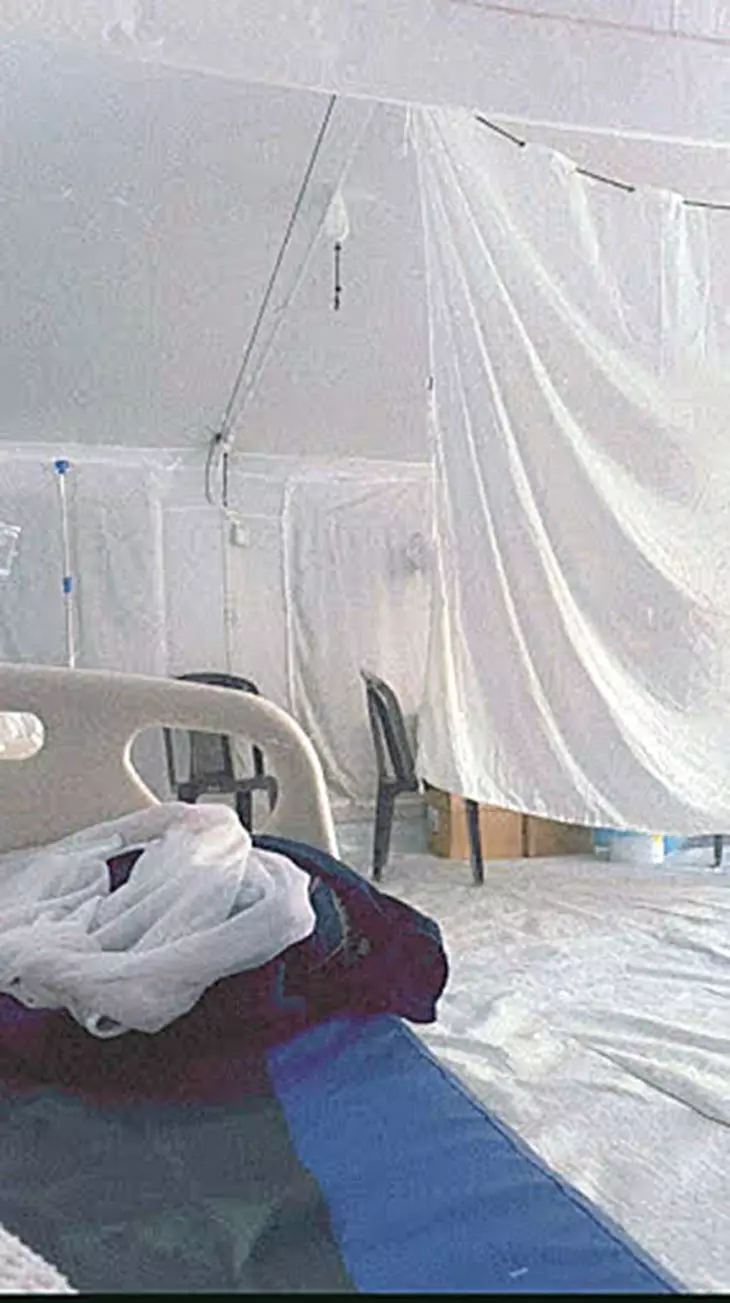
After Israel destroyed Gaza’s hospitals, AlYazji had to give birth to her daughter in a medical tent known as an American field hospital. “It was difficult to provide milk and diapers for my baby in light of the closure of the Gaza borders. I go out every day to look for healthy food for her, and now she is completing her first year during a genocide,” she lamented.
What Farah AlYazji fears most is that her daughter will grow up in an endless genocide.
HIGH SCHOOL GRADUATION ON HOLD
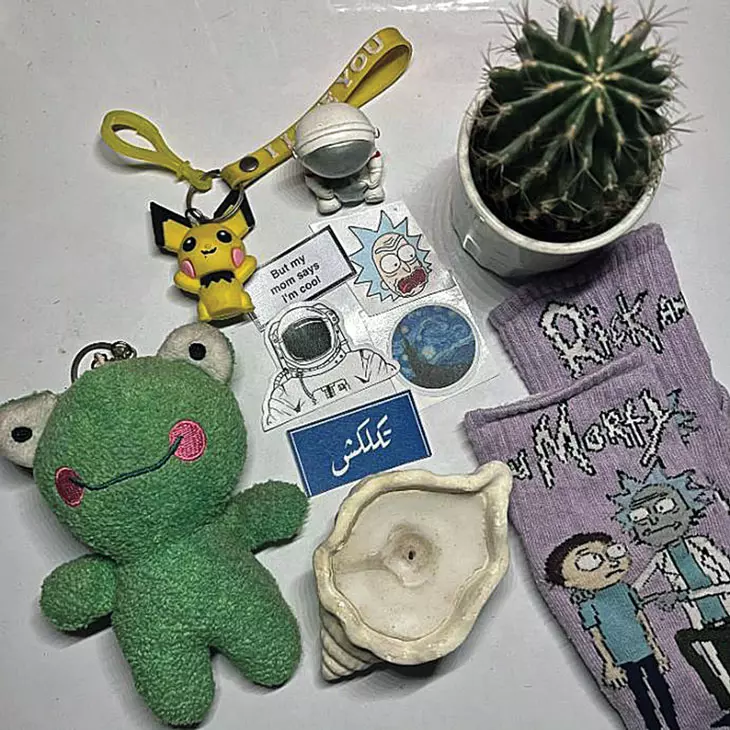
Lana Maher, a high school student in the Al-Zaytoun area of Gaza, recalled how the past year has disrupted her education. “I was preparing to start an important grade in my life, which is the tawjihi. I bought some nice notebooks and pens to motivate me to study,” she said. “I never imagined that a year would be wasted like this, without anyone on this world caring to stop this genocide.”
The tawjihi exam is a huge hurdle for high school seniors. The grades scored in this all-important exam determine which universities will accept them and the fields of study available to them.
“A week into the genocide, I was displaced to Deir al-Balah in the south without books, papers, or my beautiful notebooks and pens,” she added. “My biggest concern is no longer studying and focusing on my lessons. My problems now revolve around helping my family by bringing water or food amid the scarcity of resources in the place I’ve been displaced to. This will now become a year of displacement. A year lost from my life, and no one can bring it back now.”
Gazans still dream of returning to Gaza, even if it is destroyed. But now we wonder if this is a new Nakba, with no hope of return.
Dima Ashour majored in English. She says that studying English made her “mad about writing. Every day, I have something that I want to write about. I’m in love with the sky.” She is training with We Are Not Numbers (WANN), a project to amplify the voices of young Palestinian writers.















